Introduction: Why Did Christianity Lose Its Way?
Why does the Christianity of today look so different from the faith preached by Jesus and the apostles? How did a message rooted in the promises to Abraham, the hope of the Kingdom of God on earth, and the call to patient faith become overlaid with doctrines foreign to Scripture, and the rituals and traditions of men? Matthew 13 answers these questions in advance. In a single chapter of parables, Jesus foretold not only the mixed reception of his message, but the long centuries of corruption, distortion, and recovery that would follow—assuring his disciples that God was neither surprised nor defeated by what would come.
Matthew 13 is more than a collection of illustrations; taken together, its parables form a prophetic panorama of what would happen to the truth Jesus taught from the First Century until his return. The chapter explains why error came to dominate Christianity, why the truth became rare and precious, and why our present work is preaching rather than judging, while we await the Kingdom of God.
The Sower: The Word Introduced into the World
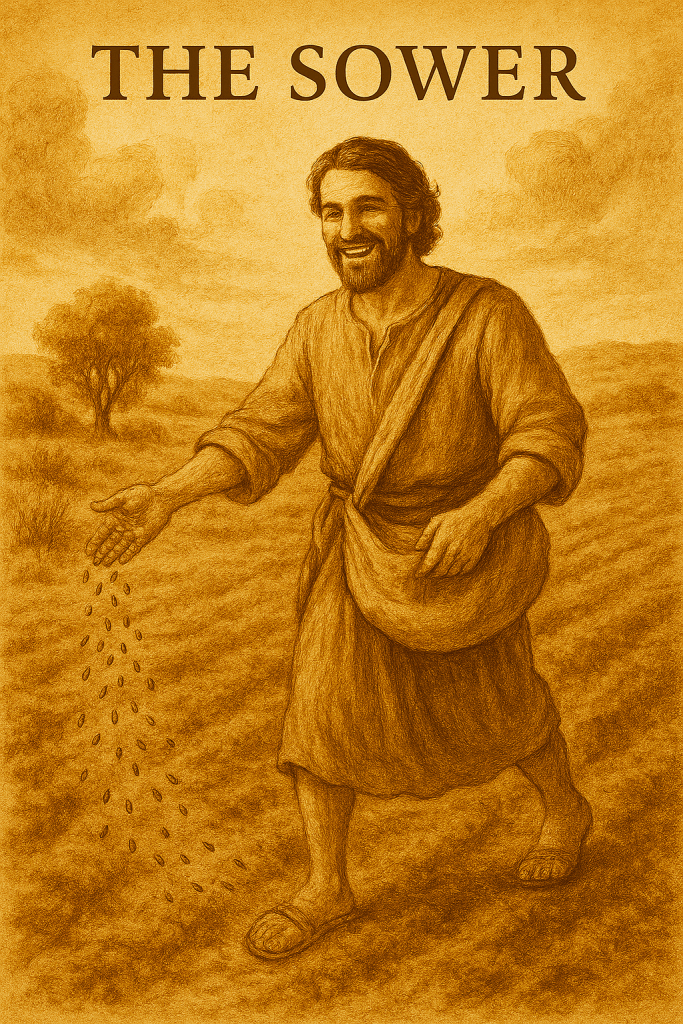
Jesus begins with the parable of the Sower (Matthew 13:3–9, 18–23). The seed is clearly identified as “the word of the kingdom,” and the varied soils represent differing responses to it. From the outset, the parable prepares us for disappointment as well as hope: not all who hear will understand, endure, or bear fruit. This aligns with Jesus’ own experience (John 6:60–66) and with the apostolic warning that faithfulness would always be the exception rather than the rule (Luke 12:32; Matthew 7:13–14).
The Wheat and the Tares: Apostasy Within, Not Just Opposition Without
The parable of the wheat and the tares (Matthew 13:24–30, 36–43) explains how corruption entered the community that bore Christ’s name. While good seed was sown, an enemy introduced tares “while men slept.” The danger was not merely persecution from outside, but distortion from within. This anticipates apostolic warnings such as Acts 20:29–30 (“of your own selves shall men arise”), 2 Peter 2:1, and 2 Thessalonians 2:3, where a falling away would precede Christ’s return. Importantly, the servants are forbidden from uprooting the tares prematurely; judgment belongs to Christ alone at “the end of the age.”
The Mustard Seed: Abnormal Growth into a Worldly Power
The mustard seed (Matthew 13:31–32) describes not healthy growth, but disproportionate and unnatural expansion. A garden herb becomes a great tree, providing lodging for birds—imagery already associated in the chapter with agents of corruption (Matthew 13:4, 19). This mirrors the rise of an institutionalized, political Christianity, resembling the great tree of Nebuchadnezzar’s kingdom in Daniel 4:10–17, which sheltered many, yet stood under divine judgment and was ultimately cut down. So too, Christendom grew impressive in appearance, but not faithful in doctrine or spirit (Revelation 17:1–6).
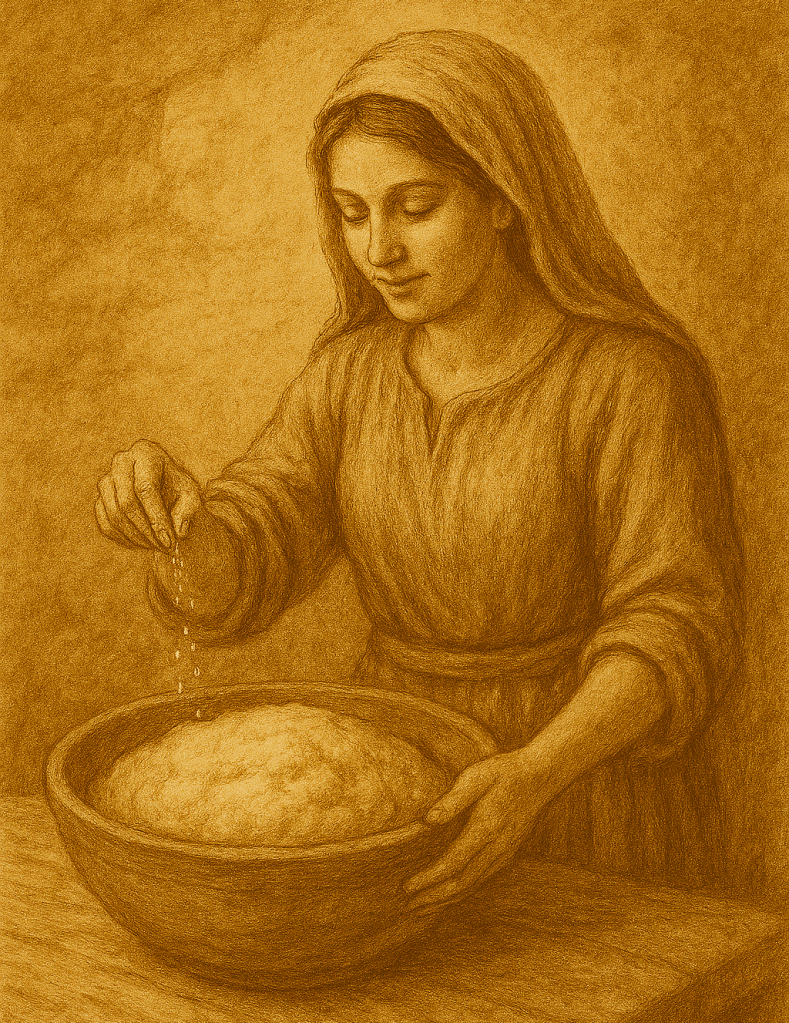
The Leaven: Quiet, Pervasive Corruption of Doctrine
The parable of the leaven (Matthew 13:33) reinforces this picture. Leaven in Scripture consistently represents corrupting influence when applied to doctrine (Exodus 12:15; Matthew 16:6, 11–12; 1 Corinthians 5:6–8). The woman hides leaven in the meal “until the whole was leavened,” depicting how false teaching worked gradually and largely unnoticed until it permeated nearly all of professing Christianity. Truth was not violently destroyed; it was diluted, altered, and obscured.
Treasure and Pearl: The Rarity and Value of Recovered Truth
As a result of this long corruption, the true gospel became something hidden and rare. The parables of the treasure in the field and the pearl of great price (Matthew 13:44–46) describe the joy and sacrifice of those who rediscover it. This echoes Proverbs 2:1–5 and Isaiah 8:20, where truth must be diligently sought and tested. For true Christians today, this resonates strongly with the recovery of apostolic teaching through careful Bible study and rejection of inherited tradition (Acts 17:11).
The Dragnet: Preaching Without Prejudice
The parable of the dragnet (Matthew 13:47–50) emphasizes the present work of those preaching the gospel. The gospel net gathers “of every kind,” showing that the call goes out broadly, without discrimination of nation, background, or prior belief (Matthew 28:19; Revelation 22:17).
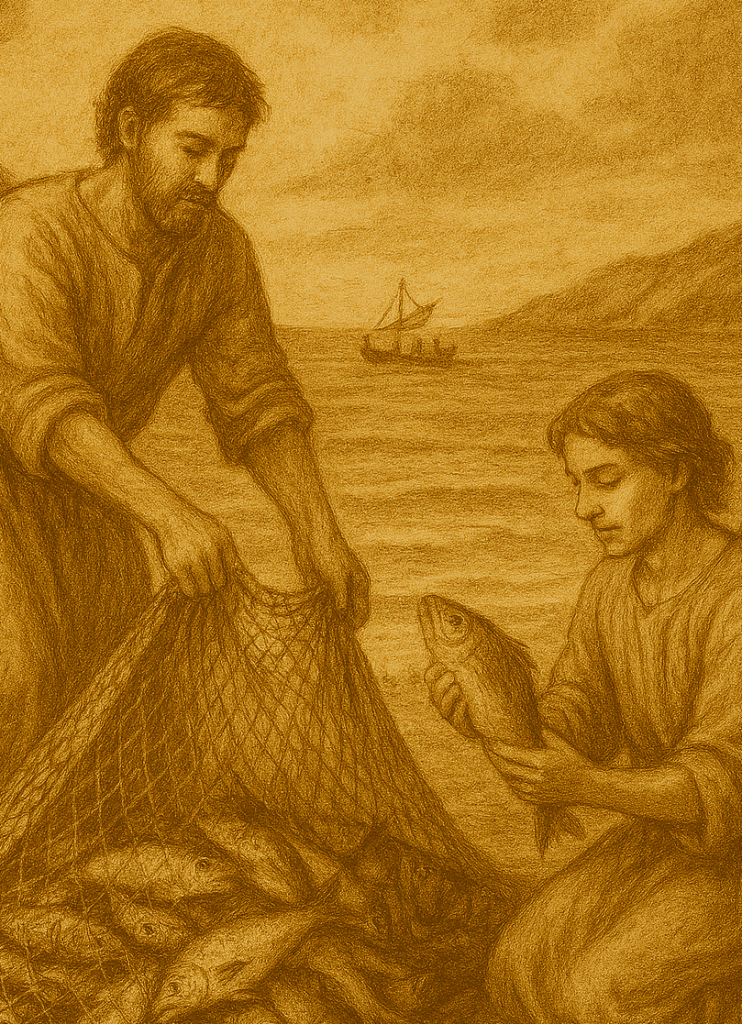
The sorting doesn’t happen while the fish are being caught; it happens later, on the shore—and it’s the angels who separate the good from the bad. Our role isn’t to decide when the net is full or which fish ‘belong’ in it. Our task is simply to cast the net into the sea and gather all kinds of fish, trusting God to handle the sorting in His time. This guards us against denominational pride and reminds us that responsibility for final judgment rests with Christ, not with his servants.
The Householder: Intentional Handling of God’s Word
Finally, Jesus concludes with the parable of the householder (Matthew 13:52). Those instructed in the kingdom must deliberately bring out of their treasure “things new and old.” This speaks to the careful, responsible use of Scripture: valuing both the Old Testament foundations and their New Testament revelation in Christ, harmonizing them rather than discarding either (Romans 15:4; 2 Timothy 3:15–17). Truth in a community does not preserve itself automatically; it must be handled intentionally, taught accurately, and lived faithfully.
Conclusion: Waiting Faithfully for the King
Matthew 13 therefore explains why the truth was obscured, why it must be searched for, and why judgment is reserved for the return of Christ. It calls believers to patience, humility, diligent study, and open proclamation, while looking forward to the day when “the righteous shall shine forth as the sun in the kingdom of their Father” (Matthew 13:43; Daniel 12:3). In this way, the chapter strengthens our confidence that the apparent triumph of error is temporary, and that God’s purpose in Christ will surely be fulfilled.
A Call to Faithful Waiting and Careful Witness
Matthew 13 does more than explain history; it defines our present responsibility. We are called to sow the word patiently, to search the Scriptures diligently, to value truth above comfort or tradition, and to proclaim the gospel freely while there is still opportunity. Like the householder, we must intentionally bring forth treasure from God’s word—tested, harmonized, and faithful—holding fast the hope of the Kingdom of God and the name of Jesus Christ (Acts 8:12). As the present age draws to its close, these parables urge us to humility, perseverance, and confidence that when the Son of man returns, truth will no longer be hidden, corruption will be removed, and the righteous will shine forth in the kingdom prepared for them from the foundation of the world (Matthew 13:43; Daniel 2:44).



 The Original Gospel
Leave a comment