The Bible’s teaching on demons is often misunderstood through the lens of later Christian tradition rather than through the language and worldview of Scripture itself. A careful reading of both Old and New Testaments reveals a consistent picture: demons are not supernatural evil beings, but the imagined gods of paganism—powerless idols made by human hands, yet feared by superstitious minds. The Christadelphian position rests firmly on this Biblical foundation.
1. The Origin of the Word “Daimon”
The term daimon first appears in Greek culture, where it referred not to fallen angels or malevolent spirits, but to lesser gods—intermediate beings between humanity and the major Olympian deities. These “common gods” were part of a world filled with divine forces: gods of the sea, gods of the night, gods of revelry, gods of the fields. They were not creators but personifications of natural forces.
This cultural background shaped how Jews living under Greek influence came to use the term. It never meant “fallen angels” in their worldview; it meant pagan gods.
2. Demons in the Old Testament: Idols, Not Spirits
The Old Testament contains two Hebrew words sometimes translated “devils” or “demons”: saiyr and shed. Neither refers to supernatural beings.
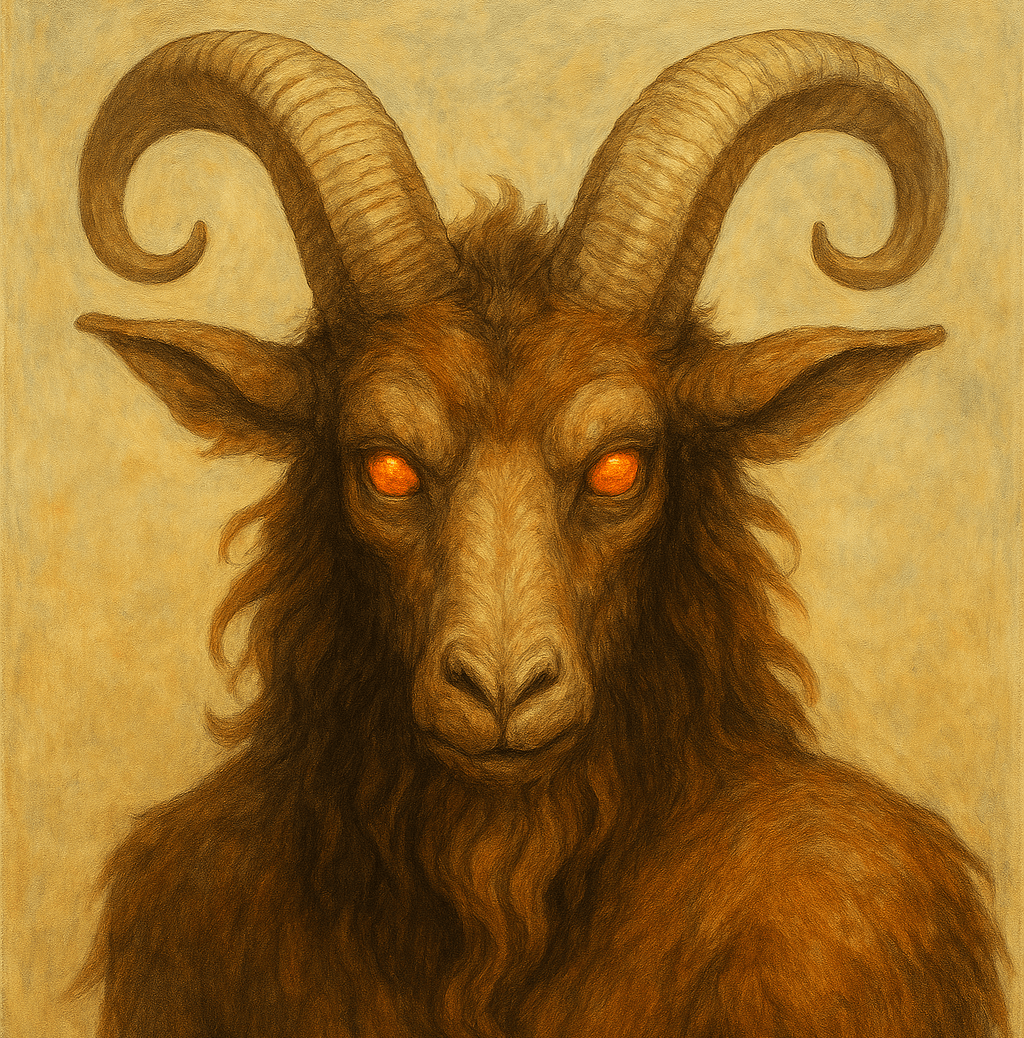
Sair (H8163): “Goat,” “Satyr,” or “Shaggy One”
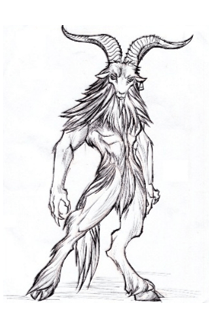
This word is overwhelmingly used of literal goats (for example: Leviticus 16:21; Daniel 8:21). In a few passages, it refers to goat-idols—the rustic, faun-like figures worshipped in the ancient Near East.
Examples include:
- Leviticus 17:7 – Israel is warned not to sacrifice to “goat-idols.”
- 2 Chronicles 11:15 – Jeroboam appoints priests for “goat-idols.”
- Isaiah 13:21 – Satyrs appear in a poetic description of Babylon’s desolation.
These are not spirits roaming the earth; they are pagan images or mythological creatures associated with idolatry.
Shed: “Demon,” Meaning a Pagan God
This word appears only twice:
- Deuteronomy 32:17 – Israel “sacrificed to demons, which were no gods.”
- Psalm 106:37 – They “sacrificed their sons and daughters to demons.”
The inspired commentary is unmistakable: these “demons” are false gods, explicitly said to be “no gods”, compared to the real true and only God – Yahweh! They are inventions of human imagination, given power only by superstition.
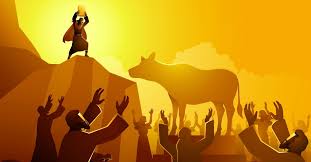
Note: The gods of paganism were part of creation itself rather than being the creative force. For example, they were made from natural elements – wood, stone, metal (See Isaiah 44) And they were believed to control natural forces like the god of the Nile, the god of the rain, the god of disease – Ba’al zebub or Beelzebub – the ‘lord of the fly’. See 2 Kings 1:16 and Matthew 10:25.
Idolatry is the worship of creation rather than the creator (See Romans 1:25).
Superstitions are very difficult to overcome once they are firmly believed – especially when taught from one’s youth!
3. The New Testament Continues the Same Teaching
Idols = Demons
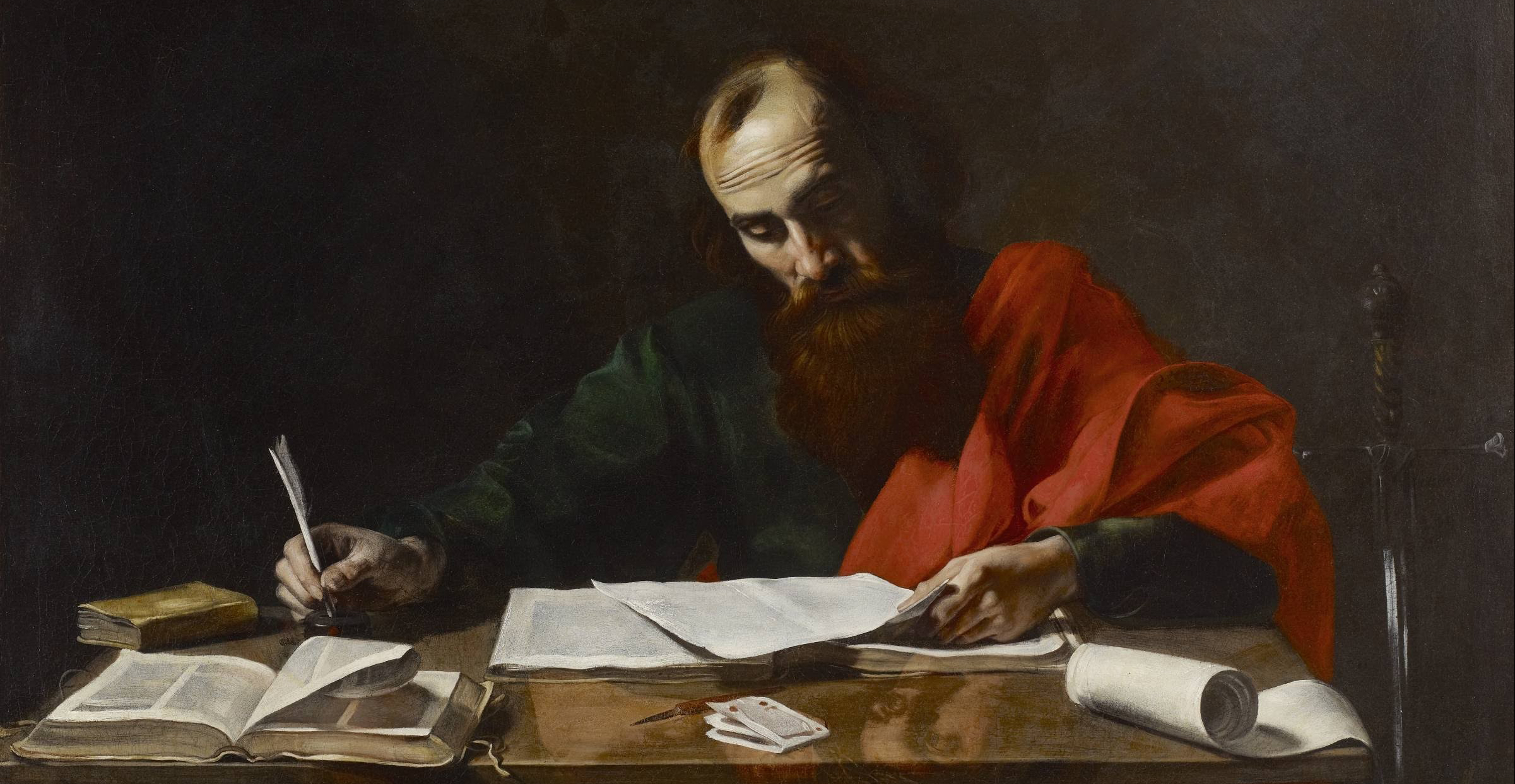
Paul makes the Old Testament connection explicit:
“The things which the Gentiles sacrifice, they sacrifice to demons and not to God.”
—1 Corinthians 10:20
Paul is quoting Deuteronomy 32. His point is not that demons are real beings, but that idols are nothing (1 Cor. 8:4). The “demons” are the same powerless pagan gods Israel once worshipped.
Superstition in Athens
In Acts 17, Paul confronts a city overflowing with idols. He calls the Athenians “too superstitious” (KJV), literally “fearful of demons.”
Yet, he never grants their gods any reality. Instead, he proclaims:
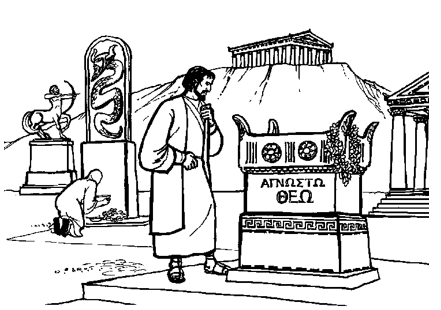
- God does not dwell in temples.
- God is not made of gold, silver, or stone.
- God is not like the images crafted by human art.
There are no “lower gods” to fear. Only the Creator deserves worship. See also Psalm 115:4-8.
Those who worship or fear these demonic false gods or idols need to repent and turn away from this false worship! See Revelation 9:20.
4. Jesus and “Demon Possession”: Healing, Not Exorcism of Spirits
In the Gospels, people often attribute illness—especially mental or neurological conditions—to demons. This reflects the Greek-influenced worldview of the time, not divine revelation.
Jesus never pauses to explain that demons are imaginary. Instead, he simply heals the afflicted. His actions demonstrate that:
- God’s power overwhelms superstition.
- The God of Israel is greater than the false gods people feared.
- Just as Moses’ plagues exposed the impotence of Egypt’s gods, Jesus’ miracles expose the emptiness of pagan beliefs.
The “casting out of demons” is therefore the healing of real diseases that people mistakenly attributed to false gods.
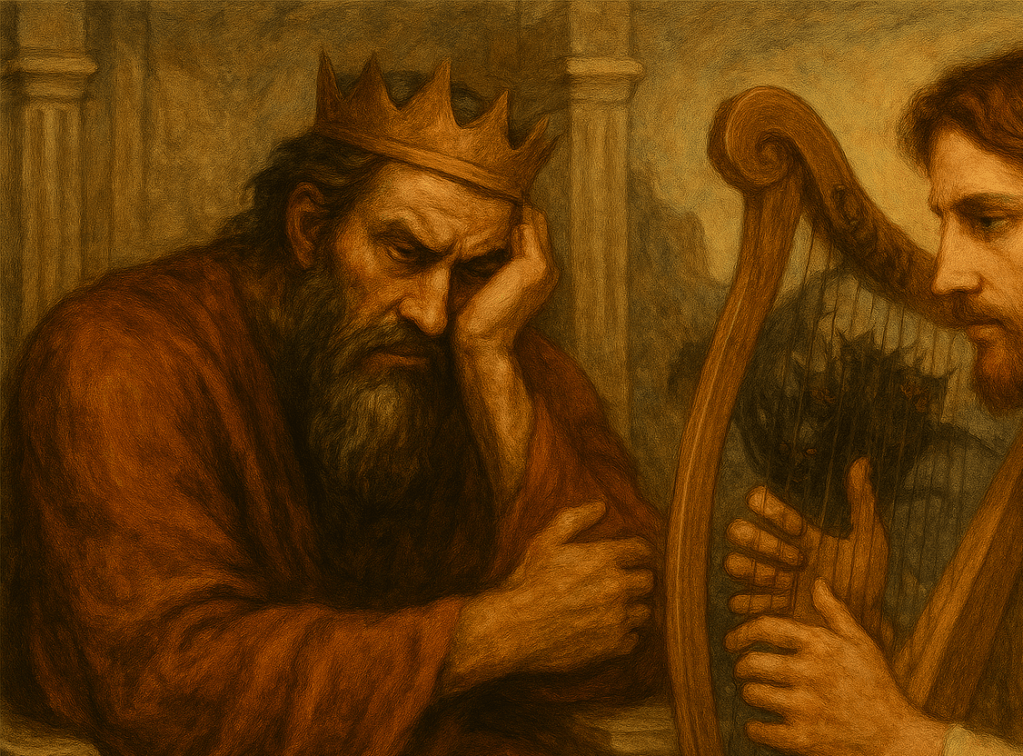
In the Bible, “evil spirits” or “unclean spirits” often describe the disturbed inner state of a person rather than independent supernatural beings. This is clear in the case of King Saul, whose “evil spirit from the LORD” (1 Samuel 16:15–16, 23) is shown in the narrative to be jealousy, fear, depression, and violent mood swings brought on by envy of David. Interestingly this ‘bad mood’ was ‘cast out’ by David playing his harp – and likely singing spiritual psalms to calm Saul’s troubled mind!
Scripture frequently uses “spirit” language to describe emotional or mental conditions—such as a “spirit of heaviness” (Isaiah 61:3), a “broken spirit” (Proverbs 17:22), or a “haughty spirit” (Proverbs 16:18).
When we come to the New Testament, this same way of speaking appears in the accounts of those said to be “demon‑possessed.”
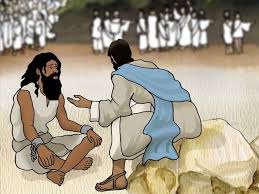
Their symptoms—epilepsy (Matthew 17:15), muteness (Mark 9:17), or extreme anxiety and self‑harm (Mark 5:2–5)—reflect real physical or psychological illnesses that people attributed to demons because of prevailing superstition. Jesus heals these individuals not by battling literal spirits, but by restoring minds and bodies, demonstrating that the living God is greater than the imagined powers people feared.
5. The Real Battle: Not Against Spirits, but Against Human Powers
Passages like Ephesians 6 describe a struggle against “rulers,” “authorities,” and “powers”—terms Paul elsewhere uses for human and political authorities. The “heavenly places” represent the realm of government and authority, not a literal sky filled with evil spirits.
The early Christians faced hostile synagogue leaders, Roman governors, false accusers, persecuting authorities.
Their battle was not fought with swords, but with faith, truth, righteousness, and the Word of God.
6. The Biblical Conclusion
Scripture presents a unified message:
- Demons are the false gods of paganism.
- They have no real existence or power.
- Idols and demons are “nothing in the world.”
- Superstition gives them imagined powers.
- Jesus and the apostles confronted superstition, not spirits.
- The true battle is against human sin and human systems—not supernatural evil beings.
The Christadelphian position is therefore not a modern reinterpretation but a faithful reading of the biblical text in its historical and linguistic context. The Bible consistently teaches that there is one God, and beside Him there is no other power to fear.
DOWNLOAD a Worksheet on Demons here

 The Original Gospel
Leave a comment